FSU will host NOAA’s 48th Climate Diagnostics & Prediction Workshop and 21st Climate Prediction Applications Science Workshop March 26-29. Close to 150 climate scholars and researchers are expected to attend. This multi-day event will also provide the option of virtual attendance for those unable to travel to Tallahassee.
#SCIENCE #English #IT
Read more at Florida State News
SCIENCE
News in English
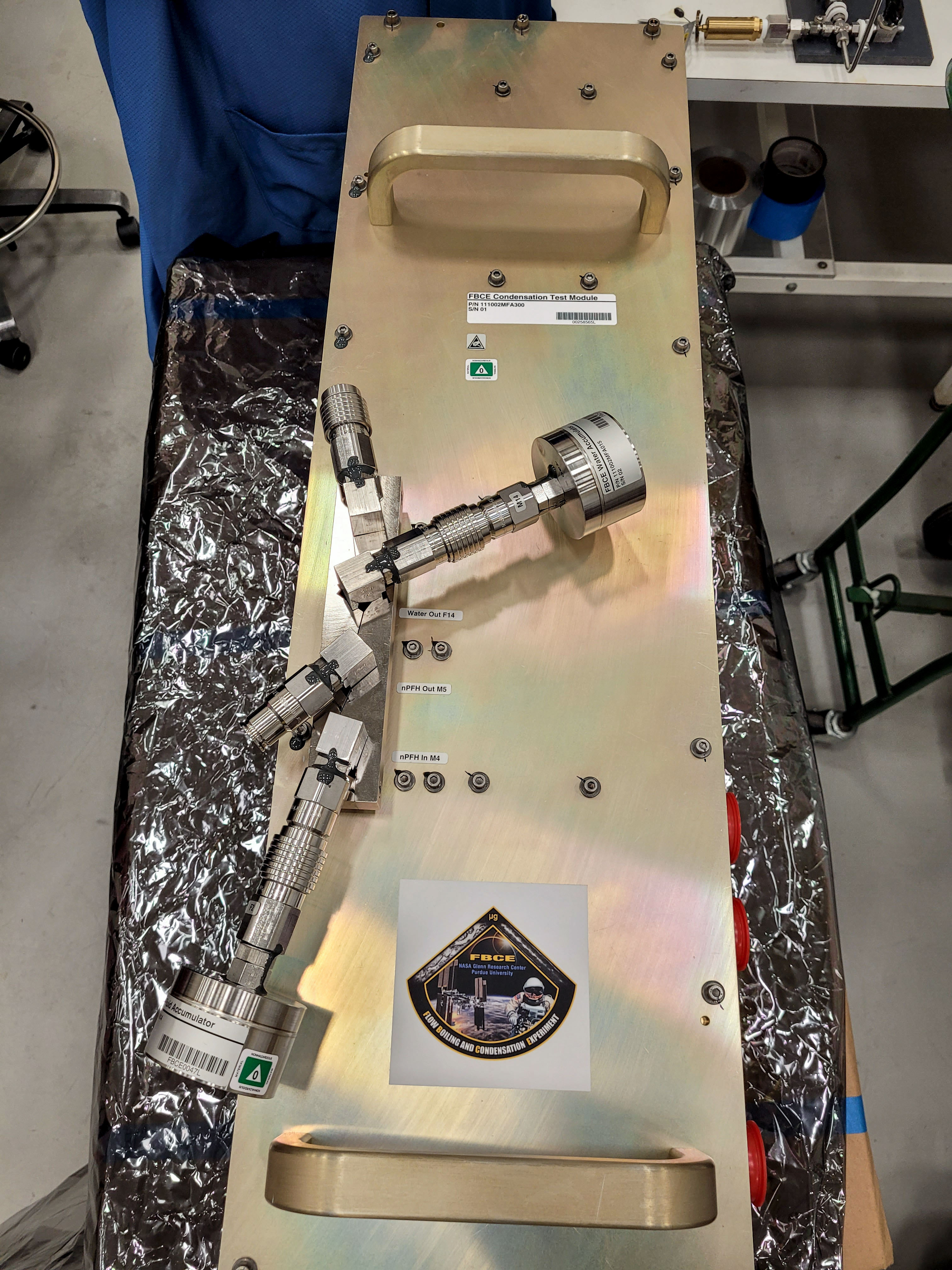
Common, harmless bacteria like Enterococcus faecalis (EF) are hardier than their counterparts down on the ground. This raises concerns about potential more harmful bacteria causing infections for astronauts.
#SCIENCE #English #IT
Read more at Science@NASA
#SCIENCE #English #IT
Read more at Science@NASA
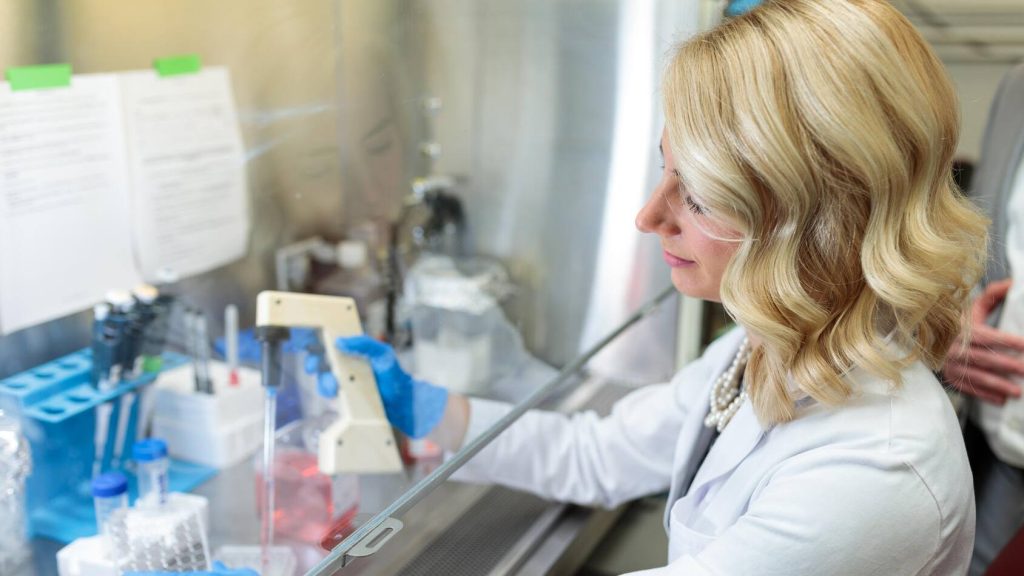
A career in science and research can be challenging yet rewarding for women, says Elizabeth Enninga, Ph.D. The key to overcoming those challenges is to build a strong network of men and women you can go to with questions and concerns related to not only science, but also career progression. The National Institutes of Health recognizes that men still disproportionately receive more funding than women at all levels of awards.
#SCIENCE #English #IT
Read more at Mayo Clinic
#SCIENCE #English #IT
Read more at Mayo Clinic
Meredith College student Emma Brooks has been featured on WiDs Worldwide website. Brooks is earning a degree in mathematics and computer science with a minor in data science.
#SCIENCE #English #IT
Read more at Meredith College
#SCIENCE #English #IT
Read more at Meredith College
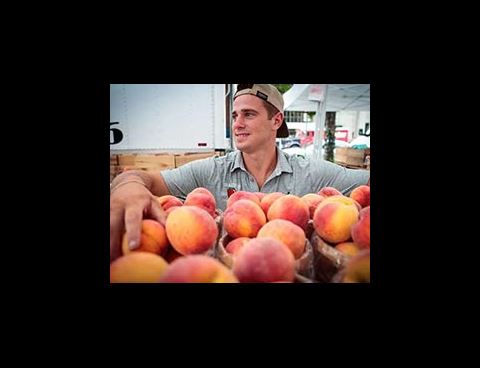
REACH-HEI Pathways Programs at Geisinger Commonwealth School of Medicine will present a science-filled day created specifically for girls in grades 7 and 8. participants will rotate through learning stations centered around topics like environmental science, sonography, DNA, microbiology, nursing and more. The day is dedicated to showing girls what being a woman in science looks like.
#SCIENCE #English #IT
Read more at Geisinger
#SCIENCE #English #IT
Read more at Geisinger

This year’s winners are: Augustina Clara Alexander, University of Dar Es Salaam, Tanzania: water supply and treatment, hydrological modelling, climate change. OWSD awards a cash prize for each winner of USD $5,000, as well as an all-expenses-paid trip to attend a relevant conference in the awardees’ field.
#SCIENCE #English #SN
Read more at Knovel
#SCIENCE #English #SN
Read more at Knovel

In 1869, scientists observing an eclipse that traced a path from Alaska to North Carolina detected a faint green light emitting from the corona. It’s also churning with activity that can have major effects on Earth, disrupting radio communications or even knocking out the power grid. For now, despite decades of effort to create eclipses with sophisticated equipment, the moon remains the perfect occulter.
#SCIENCE #English #SN
Read more at The Washington Post
#SCIENCE #English #SN
Read more at The Washington Post

The next evolution in artificial intelligence (AI) could lie in agents that can communicate directly and teach each other to perform tasks. This AI then described what it learned to a “sister” AI, which performed the same task despite having no prior training or experience in doing it. The first AI communicated to its sister using natural language processing (NLP), the scientists said in their paper published March 18 in the journal Nature.
#SCIENCE #English #SN
Read more at Livescience.com
#SCIENCE #English #SN
Read more at Livescience.com
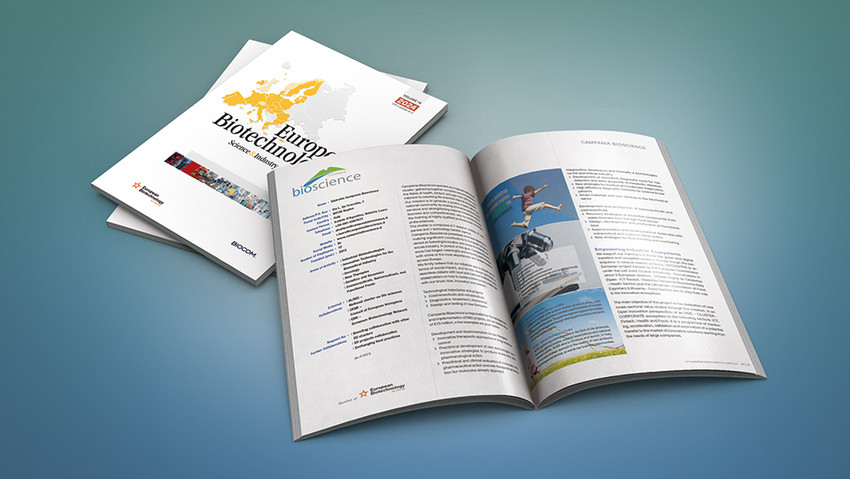
The 14th edition of the European Biotechnology Science & Industry Guide 2024 is showcasing brilliant science and excellent business from companies, universities, research institutes, and expert support providers. Readers will discover many success stories and current trends in the European biotech industry.
#SCIENCE #English #MA
Read more at European Biotechnology News
#SCIENCE #English #MA
Read more at European Biotechnology News
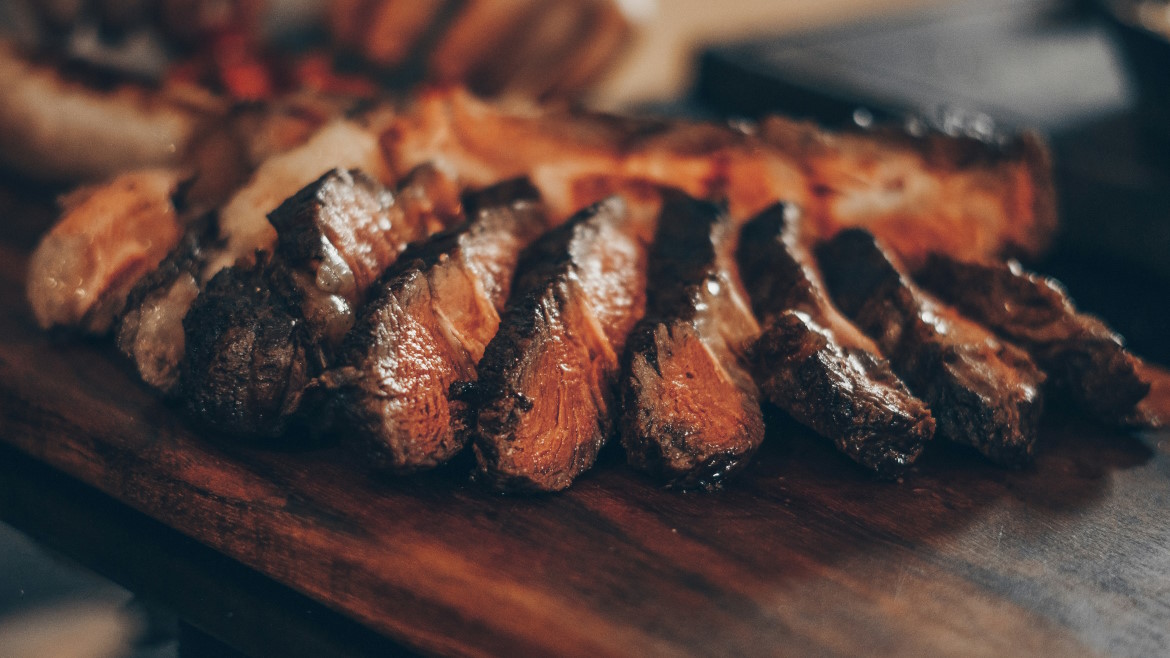
Cultured meat has been promoted as a more environmentally friendly alternative to traditional livestock farming, as it could require significantly less land, water and energy use. Cultured seafood would immediately bring relief to the ecosystem and offer products without contaminants like microplastics and mercury. There are concerns about whether the world’s population—which is projected to expand to approximately 10 billion by 2050—can adequately meet its protein solely through traditional meat production.
#SCIENCE #English #MA
Read more at Food Engineering Magazine
#SCIENCE #English #MA
Read more at Food Engineering Magazine